Blogs
What Is a Brand Manager? The Secret to Team Alignment with PinURL

Discover the true role of a brand manager and how to bridge the gap between marketing and product. Learn how PinURL eliminates collaboration chaos today!
When the Marketing "Wall" and the Product "Door" Fail to Meet: The Secret Weapon Rewriting the Rules of the Digital Era
A brand what comes to mind when you hear this term? Odds are, you think of big names like Nike, Apple, or Chanel. Why? Because they’ve managed to build deep relationships with their audiences and set themselves apart from competitors by creating unique images for themselves.
However, the term isn’t confined to big names. Regardless of size, all businesses can become brands with proper brand management.
In an era where digital marketing and social media are exploding, a Brand Manager is the very person who helps you align that specific image, boosting instant recognizability within your target market. If you are new to this concept, let’s step into a real-world story to see how they completely turn the tide for a business.
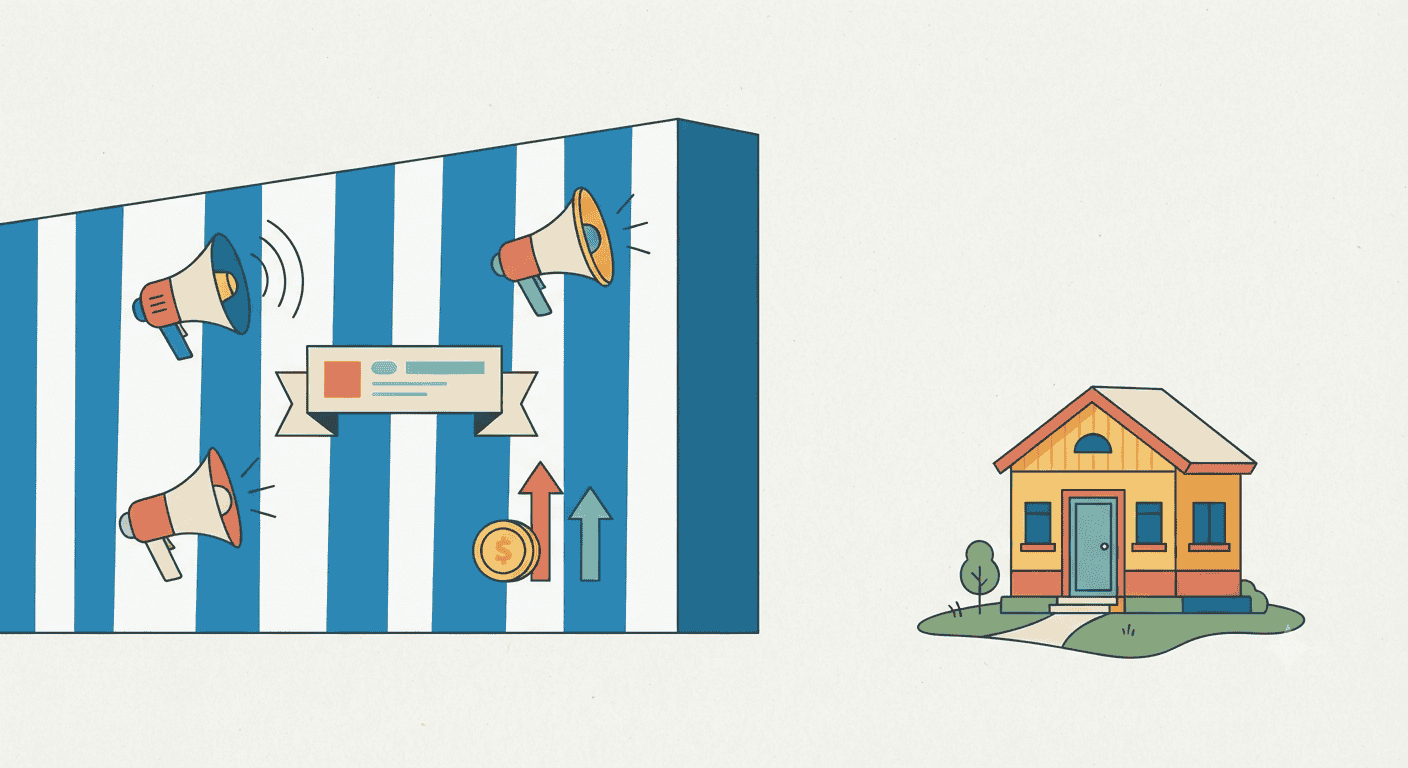
The Story of the Misplaced Key and the Marketing Team's Unjust Blame
Imagine your business is building a house. The product development team (Product Manager) is meticulously designing the sturdiest doors. The marketing team (Marketing Manager) is busy building solid walls and decorating them beautifully to catch the eye of passersby.
However, if no one steps up to design the master key and the blueprints that connect those doors to those walls, customers will just stand outside looking in, unable to step through. The person holding that master key and blueprint is the Brand Manager. They are responsible for everything related to branding, including choosing visual elements, defining brand identity, and crafting the brand storytelling that guides the customer in.
Yet, in reality, this role is often misunderstood and overlooked.
The Business Pain Point: Many small business owners fail and blame poor financial management. But statistics show that 19% of businesses fail because they are unable to compete effectively, and 14% collapse due to poor marketing.
Don't rush to dump all the responsibility onto the Marketing Managers. The root of a lackluster marketing campaign usually stems from a loose brand strategy. Look at this core difference:
Brand Manager (The Blueprint Designer): Acts as the strategist. They study the market and understand consumers to cultivate the core messaging, ensuring all departments move in the same direction and helping the business stand out from the crowd.
Marketing Manager (The Wall Builder & Decorator): Takes the "prompt" from the Brand Manager to implement tactical campaigns. They drive customers to buy products by explaining what they are, what problems they solve, and how to get them.
Product Manager (The Door Maker): Focuses on concept development and product creation, collaborating with the Brand Manager to ensure the product reflects the true ideals and values of the brand.
When the brand key is forgotten, the marketing wall and the product door become completely disconnected, rendering the business's efforts meaningless.
From the "Lost Connection" to the Ultimate Solution with PinURL
As a business scales up to hundreds of employees across various departments—from Digital Marketing and Customer Experience to Data Analysis—how does a Brand Manager ensure everyone is holding onto the exact same brand blueprint?
Let’s look at a real-world challenge: A retail corporation owns 3 different fashion brands, operating across Southeast Asia. Every day, the marketing team launches hundreds of campaign links across Facebook, TikTok, Instagram, and prints QR codes on clothing tags.
In the past, the Brand Manager faced an Excel nightmare: manually entering links, shortening them, gathering report data from everywhere, and sharing access manually—a process rife with security risks.
Everything changed completely when they integrated PinURL into their operations. Say goodbye to endless spreadsheets; the PinURL Dashboard allows incredibly smart group management and permissions (Group Permissions). Here is how this Brand Manager optimized team collaboration:
1. Setting Up Scientific "Virtual Departments" (Groups)
Depending on the business structure, PinURL allows you to flexibly create groups to manage shortened links, QR codes, or Link-in-bios:
By Region: If you are a global or national brand, you can build independent groups like PinURL Vietnam, PinURL Thailand, and PinURL Singapore.
By Department: Separate them clearly to track real-time performance: Product Marketing Group, Customer Loyalty Group, Recruiting Group.
By Brand: If the enterprise owns multiple sub-brands, organizing groups based on the brands themselves keeps marketing teams from mixing up each other's data.
2. Inviting Users to a "Shared Workspace"
Instead of sharing a single account—which compromises security—the Brand Manager simply invites team members via their personal PinURL accounts.
Pro Tip: Team members can effortlessly switch between their personal accounts and company groups with a single click. This eliminates the need to constantly log in and out, while ensuring no one "forgets" to generate their PinURL campaign links in the designated group workspace.
3. Granular Permissions – The Right Access for the Right Role
PinURL provides 3 distinct user roles to safeguard brand assets to the maximum:
Users: Usually assigned to interns or executives. They can create links and view performance metrics for the specific campaigns they run.
Group Admins: Usually Team Leaders. They have the power to manage users within their group and configure custom domains tailored to the brand.
Account Admins: The ultimate access level reserved for the Brand Manager to oversee and control the entire system.
What makes this special is the absolute flexibility. A team member can have user-level access in an Ads campaign group, but hold Group Admin permissions in the Recruiting group. This flexibility offered by PinURL ensures that the workflow never bottlenecks due to data gatekeepers.
Essential Skills for Modern Brand Managers and the Role of PinURL
To become an outstanding Brand Manager in the digital age, alongside strategic thinking and out-of-the-box creativity—like the emotional storytelling Nike uses—you absolutely must be Digitally Savvy.
You cannot manage a brand based on gut feeling. You need real-world data to know how customers are interacting with your brand, where they are coming from, and what content resonates with them.
PinURL is not merely an intuitive link-shortening tool. It acts as a bridge, a lens that allows Brand Managers to see right through the performance of every marketing campaign, thereby making decisions that shift the destiny of the entire business. It binds every department together, ensuring brand consistency down to the smallest detail.
Don't let a lack of connection dilute your brand equity. Sign up for PinURL today to seamlessly optimize team collaboration and build a unified, breakthrough brand strategy!